Retirement hotspots: Mediterranean vs Central America & Caribbean vs Southeast Asia
What each region is good for, the trade-offs, and who tends to thrive there.

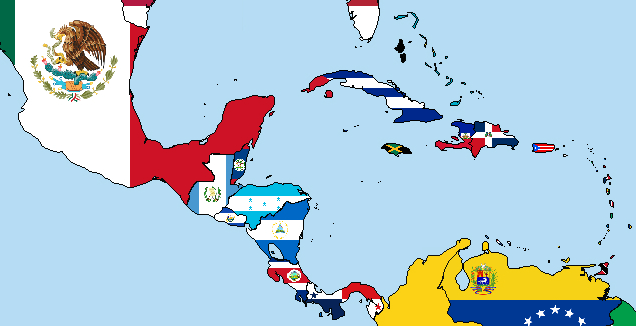
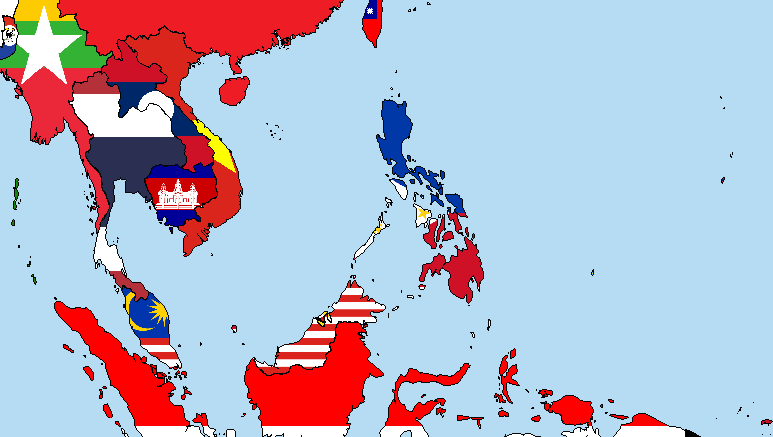
At a glance
| Mediterranean | Central America & Caribbean | Southeast Asia | |
|---|---|---|---|
| Climate | Warm, dry-ish summers; mild winters; rising summer heat and wildfire risk. | Tropical/subtropical; high humidity; distinct wet/dry seasons; hurricane risk in some areas. | Hot, humid, monsoonal; very hot seasons in parts; some areas with cooler highlands. |
| Access | Short EU/UK flights; small time-zone shifts; dense transport networks. | Best for North America; long-haul from Europe; variable transport and infrastructure by country/island. | Long-haul from EU/US; excellent regional links once there; good air connectivity between hubs. |
| Costs (relative) | Cheaper than Northern Europe; coastal hotspots pricier; inland/secondary cities good value. | Wide spread: some very cheap inland/secondary areas, some mid/high-cost islands and resort zones. | Often lowest day-to-day costs; housing and private healthcare very good value outside prime expat hotspots. |
| Visas/residency feel | Moderate: income/digital/retiree routes in several countries; bureaucracy but predictable. | Several retiree/pensionado programmes (Panama, Costa Rica, Belize, DR, some islands); requirements vary but generally approachable with planning. | Mix of tourist/long-stay options and specific retirement/long-stay visas; rules can change and enforcement differs by country. |
| Healthcare | Strong public + private systems; many expats use private for speed/language. | Quality varies by country: good private care in major hubs; small islands often require evacuation/regional flights for serious cases. | Private widely used; good to excellent quality in major hubs; cheaper than Western systems in many cases. |
| Who it suits | Those wanting familiar-ish culture, strong infrastructure, and a food-first lifestyle at moderate cost. | Those okay with contrast and variability, willing to pick city/island carefully for safety, services, and storm risk. | Those happy with heat/humidity, bigger cultural difference and distance from home in exchange for very low day-to-day costs and lively expat hubs. |
1) Money reality
Mediterranean: Cheaper than Northern Europe overall; coastal hotspots and famous islands can be expensive, but inland towns and secondary cities offer good value for housing and day-to-day life.
Central America & Caribbean: Huge spread: very affordable inland towns and secondary coastal areas, but also mid/high-cost resort zones and islands where imports and tourism push prices up. Expect to pay privately for more services (healthcare, security) than in the Med.
Southeast Asia: Typically the lowest day-to-day costs. Eating out, local transport, and basics are cheap; housing and private healthcare offer strong value outside prime expat bubbles.
2) Residency & visa friction
Mediterranean: Income-based, remote-worker or retiree visas in several countries. Bureaucracy exists but rules are relatively stable and documented once you pick a country.
Central America & Caribbean: Retiree-friendly region: Panama/Costa Rica Pensionado-type visas, Belize QRP, Dominican Republic and some islands with retiree/pensionado programmes. Requirements differ (pensions, deposits, age) but are workable with planning.
Southeast Asia: Mixed: Thailand, Malaysia, Philippines, Indonesia, and Cambodia have retirement/long-stay options, but rules and thresholds can shift. Vietnam remains workaround territory for pure retirees; the "eternal tourist" approach is not a plan.
3) Lifestyle & culture
Mediterranean: Food, wine, and cafe culture; slower pace outside big cities; late evenings, festival-rich summers; family-centric. English widely understood in tourist/expat areas.
Central America & Caribbean: Relaxed, outdoor, beach-centric; music-heavy social scenes. Spanish is essential in most of Central America; English in Belize and many islands. Social, family-driven, informal, sometimes rougher-edged than the Med.
Southeast Asia: Street-food, scooters, markets, nightlife. Big expat communities (Bangkok, Chiang Mai, Penang, Kuala Lumpur, Bali, parts of Vietnam/Philippines). English common in tourist/younger circles; limited in rural/non-tourist zones.
4) Risk & stability
Mediterranean: Generally stable and safe; crime mostly petty/big-city. Growing risks: hotter summers, heatwaves, wildfires.
Central America & Caribbean: Stability varies widely; crime and corruption are location-specific; hurricanes, heavy rains, and quakes/volcanoes in parts. Location choice matters a lot.
Southeast Asia: Major hubs feel safe day-to-day, but laws can be stricter and policy can shift. Risks: monsoon/flooding, quakes/volcanoes in some countries, heat/humidity, seasonal air quality.
5) Practicalities & access
Mediterranean: Best for Europe/UK: short flights, mild time zones, good rail/roads; strong internet in cities, patchier rural areas.
Central America & Caribbean: Best for North America: short flights, overlapping time zones. Long-haul for Europe. Infrastructure varies by city/island; private clinics common; evacuation to bigger hubs sometimes needed.
Southeast Asia: Always long-haul from EU/US; excellent regional connectivity once there; good mobile/fibre in hubs; time zones unfriendly for EU/US work but fine for retirees.
Who thrives where
- Mediterranean: Want familiar-ish culture, strong infrastructure, good healthcare and food-first lifestyle; tolerant of bureaucracy and moderate costs; prefer closer EU/UK time zones.
- Central America & Caribbean: Want warm tropics closer to North America; okay with contrast and variability; willing to pick city/island carefully and budget for private healthcare/security; accept hurricane season.
- Southeast Asia: Want very affordable day-to-day living and lively expat hubs; comfortable with heat/humidity, long flights, and adapting to different norms/visa landscapes.
FAQs
Which region is cheapest overall? Southeast Asia is usually lowest day-to-day. Central America & Caribbean have very cheap pockets but also mid/high-cost islands and resort zones. The Med is cheapest inland and in secondary cities; famous coasts/islands cost more.
Which region has the most stable long-stay options? Mediterranean income/remote/retiree visas are predictable. Central America & Caribbean have clear retiree schemes (Panama, Costa Rica, Belize, DR), but stability varies. Southeast Asia ranges from established retirement visas to more fluid setups.
How does healthcare compare? Mediterranean: strong public + private. Central America & Caribbean: many use private in major hubs and sometimes fly to regional centers. Southeast Asia: private hospitals in major cities are generally excellent and cheaper than Western equivalents; rural care can be basic.
Which is easiest to reach? Europe/UK: Mediterranean. North America: Central America & Caribbean. Southeast Asia: always long-haul from EU/US, but well-connected within the region.
What about climate risks? Mediterranean: hotter summers, heatwaves, wildfires. Central America & Caribbean: hurricanes, heavy rains, flooding, quakes/volcanoes in parts. Southeast Asia: monsoons, flooding, storms, heat/humidity, seasonal air-quality issues.
Build your plan
Compare your budget and visa fit across these regions and specific countries. Build your retirement map.
Next step after this regional view
Use this as your region shortlist, then move to country-vs-country comparisons and run your numbers.